Introduction
When it concerns emergency situations, every 2nd counts. Among the most important abilities anyone can find out is exactly how to acknowledge no breathing and react properly. This write-up looks into the importance of identifying no breathing, the strategies included, and just how they fit into wider emergency situation treatment procedures. On the planet of standard vs advanced life assistance, comprehending the initial indications of respiratory failure can suggest the difference between life and death.
Recognizing No Breathing: The First Step in Emergency Care
Recognizing no breathing is a vital ability that forms the bedrock of reliable emergency situation treatment. The procedure starts with inspecting responsiveness and examining whether someone exhibits signs of life. Most people presume that if an individual isn't breathing, they're unconscious or in distress; nonetheless, comparing normal respiration and no breathing calls for training and awareness.
The Importance of Early Recognition
Identifying an absence of breathing can cause prompt activity, possibly conserving a life. The mind is highly sensitive to oxygen deprivation; within minutes, permanent damages can occur. Thus, early recognition is vital for starting appropriate treatment strategies.
Signs of No Breathing
- Absence of Movement: Seek upper body motions that indicate inhalation and exhalation. No Distinct Breath Sounds: Listen closely; if you hear nothing after numerous seconds, it's time for action. Skin Shade Changes: Cyanosis or blue skin around lips and fingertips may suggest severe oxygen deprivation.
Checking Responsiveness
Before concluding that a casualty is not advance first aid training breathing, examining their responsiveness is vital. Gently shake their shoulders and shout noisally to see if they respond. An unresponsive individual requires immediate assistance.
Basic vs Advanced Life Support
Emergency care can usually be classified into 2 main kinds: basic life support (BLS) and progressed life support (ALS). Comprehending the distinction assists -responders recognize when to intensify their actions.
Basic Life Support (BLS) Techniques
BLS focuses on fundamental strategies such as mouth-to-mouth resuscitation (Cardiopulmonary Resuscitation) that anybody can carry out no matter prior training. It targets at keeping blood circulation up until specialist aid arrives.
Advanced Life Support (ALS) Protocols
ALS consists of much more complicated procedures like intubation and drug management by skilled clinical employees. Recognizing when to transition from BLS to ALS can conserve lives.
Hospital Codes and Protocols
Understanding hospital codes is essential for offering efficient emergency treatment. Each medical facility may have its very own system in position for calling for help during a crisis.
Common Hospital Codes
|Code|Suggesting|| ------|----------------------------------|| Blue|Heart attack|| Red|Fire|| Orange|Unsafe Material Occurrence|
Knowledge of these codes makes sure efficient communication in between lay -responders and medical professionals.
Public Defibrillator Usage
Automated External Defibrillators (AEDs) are increasingly available in public rooms. Understanding how to run one could considerably boost survival rates throughout cardiac emergencies.
Steps to Make use of an AED
Turn on the AED. Apply pads according to diagrams. Follow voice prompts. Ensure no one touches the person throughout shock delivery.BLS Qualification: Why It Matters
Obtaining BLS certification outfits individuals with essential abilities for responding effectively in emergencies. Classes typically cover acknowledging no breathing, carrying out CPR, using AEDs, and various other lifesaving techniques.

Benefits of Being Certified
- Confidence in emergency situation situations Knowledge about updated protocols Ability to help good friends or member of the family in distress
Identifying No Breathing: A Deeper Dive
Understanding just how to recognize no breathing includes a methodical technique:
Assessment Steps
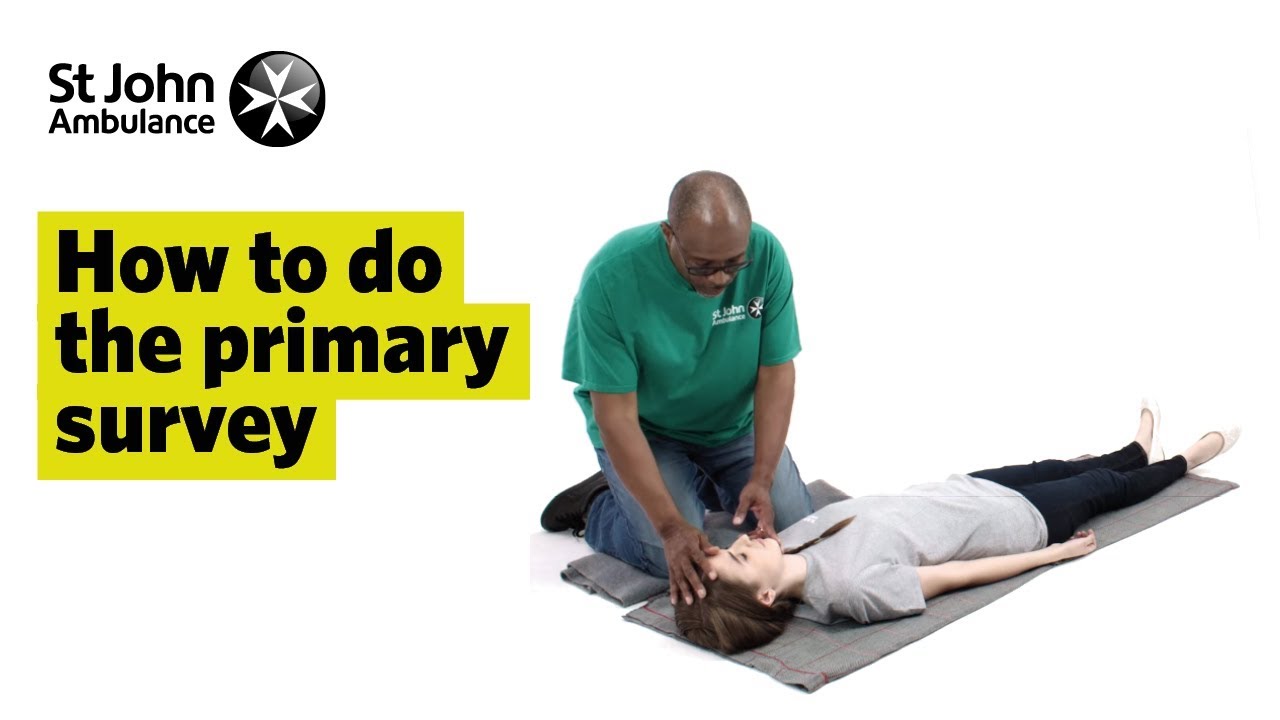
Check responsiveness. Open the respiratory tract making use of head-tilt-chin-lift technique. Look, pay attention, and feel for breathing for up to 10 seconds.If there's still no sign of breath after these actions, start CPR immediately!
Taking Switches on Compressions
When executing CPR with numerous rescuers, it's important to take turns on compressions:
Why Turning is Important
Rotating compressors protects against exhaustion which can lead to inefficient compressions or lowered efficiency over time.
Lower Compression Depth: Why It Matters?
Maintaining correct compression depth throughout CPR is essential:
- Adult compressions must be at the very least 2 inches deep but not greater than 2.4 inches. For children, aim for about 1/3 the deepness of their upper body-- about 1.5 inches.
Accurate compression deepness ensures adequate blood flow without creating harm.
Slow Compression Price: Finding Balance?
While rate matters in CPR, preserving an optimal compression rate dramatically impacts efficiency: first aid and cpr training brisbane
- Aim for a price in between 100-- 120 compressions per minute. Too slow-moving methods poor flow; also rapid compromises depth.
Finding this balance eventually improves survival chances!
Maintaining Calmness During Emergencies
During emergencies, staying tranquility is important:
Techniques to Maintain Composure
Focus on your breath-- sluggish inhalations can help in reducing anxiety. Stay task-oriented-- focus on workable actions rather than overwhelming feelings. Keep interaction clear-- straight others efficiently without panic-induced chaos.Checking Casualty's Breathing Again After First Assessment?
After initiating CPR or making use of an AED:
Reassess breathing every couple of mins if possible. Note any changes; this information will be important when professionals arrive.Regular review ensures that you change your actions based upon real-time observations!
Frequently Asked Inquiries (FAQs)
Q1: What must I do initially when I believe somebody isn't breathing?
A1: Examine responsiveness by shaking them delicately and screaming noisally prior to examining their breathing patterns further.
Q2: The length of time should I look for breathing?
A2: Ideally check for as much as 10 secs while taking a look at breast activity and listening closely for breath sounds.
Q3: When should I call emergency situation services?
A3: If you determine that a person isn't responsive or not breathing normally after your assessment-- call emergency situation solutions immediately!
Q4: Can I use an AED on anyone?
A4: Yes! AEDs are developed for usage on adults and youngsters alike; just adhere to directions meticulously based upon age guidelines supplied with each device.
Q5: Just how usually should rescuers switch over functions during CPR?
A5: Ideally every two minutes; this aids maintain reliable compressions without tiring staff member as well quickly!
Q6: Is BLS qualification required even if I'm not a medical care provider?
A6: Definitely! BLS accreditation furnishes everyday people with critical abilities needed during emergencies-- knowledge can conserve lives!
Conclusion
Recognizing no breathing genuinely stands as the very first step in emergency treatment-- an essential skill that encourages people encountering critical scenarios every day! Whether you're taking into consideration BLS accreditation or just desire functional knowledge suitable during unforeseen events-- understanding exactly how to act quickly when confronted with respiratory failure might suggest everything! Remembering these principles establishes you up not equally as a spectator however as an active individual ready to make a difference when it counts most!